
What is Neurodivergence?
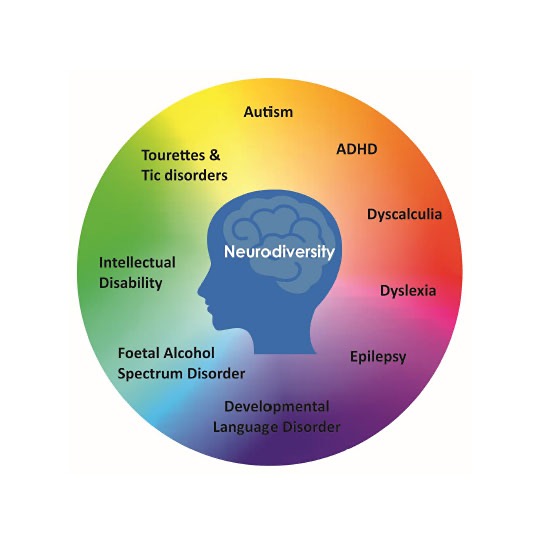
Neurodivergence is a term that denotes how people think, behave, process and respond to stimuli differently from the majority of the population. However the term does not mean much unless you understand the term neurotypical. So what does neurotypical mean? Neurotypical refers to the capacity that most people have to navigate day to day life and participate in social structures.
This ability neurotypicals have is based on a plethora of skills, innate understanding and ability to process information. Neurodivergence is where there are differences in these characteristics that cause difficulties, challenges and barriers in operating effectively, compared to neurotypicals, in day to day activities.
These differences are commonly derived from the individual's brain structure from birth and can cover a wide range of conditions each with unique problems, needing bespoke support.
Why is understanding Neurodivergence important?
In the UK it is estimated 1 in 7 people are neurodivergent (https://equality-diversity.ed.ac.uk/disabled-staff-support/neurodiversity-support) meaning that this affects about 15% of the population plus the families, friends and communities these individuals interact with. Due to the difficulties these individuals have they often have problems accessing services, participating in activities and functioning in society as expected.
These individuals will often have poorer life outcomes typically finding difficulty with:
These individuals will often have poorer life outcomes typically finding difficulty with:
gainful employment
mental health issues
physical health issues
social interactions
engaging with systems
These individuals often need support from the wider public to help alleviate the issues they face. Having an understanding can make a real difference to these individuals and often the learning is transferable to other people improving quality of life for everyone.
The 'One Page Profiler'
A "One-Page Profiler" is a thinking tool used widely to help quickly and clearly communicate an individuals strengths, preferences and support needs. It is not a "secret" but a proactive communication tool designed to promote understanding and personalised support, ensuring each individual's voice is heard.
It helps people having to re-tell their story repeatedly, helping to reduce anxiety and build trust with caregivers, teachers and colleagues.
Take a look at James' profiler using the buttons below
Is Neurodivergence a disability?
Neurodivergence can be a disability. Some neurodivergence can express without any issues (such as savant syndrome), but often they are difficulties, such as dyslexia, where some support is needed but may not be classed as a disability. What can happen is multiple neurodivergences which may be difficulties on their own but combined can make a person class as disabled. Some neurodivergences are a disability outright, such as autism.
What can complicate understanding, diagnosis and perception is a lot of neurodivergent people will mask and have coping mechanisms to be passable. So if individuals appear not to be as ‘bad’ or seem to be ok this is often why. This does not mean they are not struggling, it just means they are better at hiding the difficulties they face - this can often be taxing on the individual, adding to their stress and reducing capacity.